
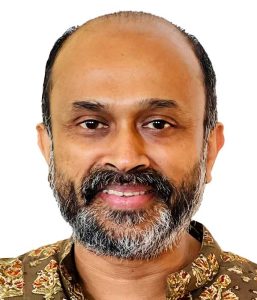
My name is Dr. Sanju George, and my professional life has been devoted to psychiatry, research, and the treatment of addiction-related disorders. Over the years, I have worked as a clinician, academic, and researcher with a particular focus on addiction psychiatry and behavioral addictions such as gambling disorder.
My work has taken me across different healthcare systems and academic environments, particularly in India and the United Kingdom, where I have been involved in clinical practice, teaching, and research. Throughout my career I have been interested in understanding how addiction develops, how it affects individuals and families, and how healthcare systems can provide effective treatment and support.
In this article I would like to share my professional journey — from my early medical training in India to my later work in academic psychiatry, clinical addiction services, and research on behavioral addictions.
Early Life and Medical Education
I began my journey in medicine in India, where I completed my undergraduate medical education at Kasturba Medical College in Manipal. This institution is known for its strong emphasis on clinical training and academic excellence, and it played a crucial role in shaping my understanding of medicine and patient care.
During my medical training I was exposed to a wide range of clinical specialties. However, psychiatry quickly captured my interest. I became fascinated by the complex relationship between the brain, human behavior, and emotional wellbeing.
Mental health conditions often exist at the intersection of biological, psychological, and social influences. Psychiatry provided an opportunity to explore these connections while also helping patients navigate difficult challenges in their lives.
As I progressed through medical school, my curiosity about mental health and addiction grew stronger. I became increasingly interested in how addictive behaviors develop and how they can be treated effectively within clinical settings.
After completing my medical education, I decided to pursue further training in psychiatry and eventually continued my professional development in the United Kingdom, where I gained experience in both clinical and academic environments.
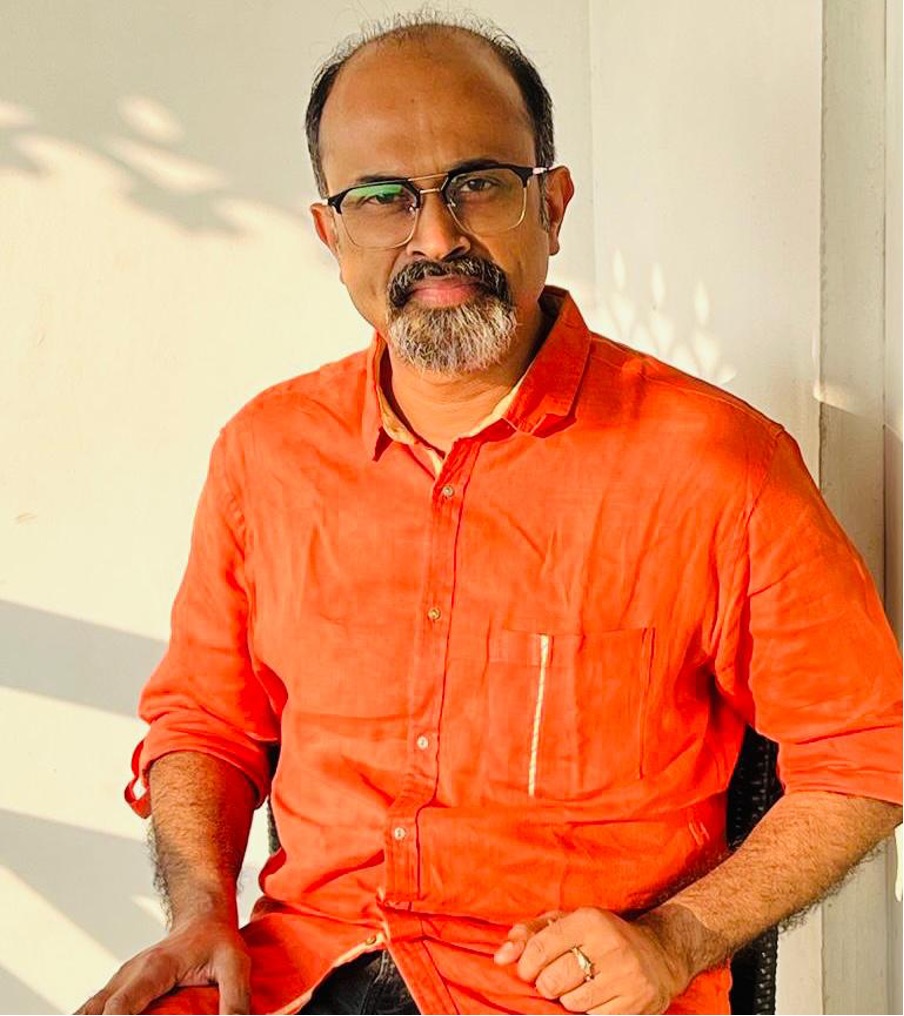
Early Career in Psychiatry
In the early stages of my psychiatric career, I worked in clinical settings where I treated patients experiencing a wide range of mental health conditions. These experiences helped me understand the real-life challenges faced by individuals dealing with psychiatric disorders.
Many of the patients I encountered were struggling with substance use disorders, including alcohol dependence and drug addiction. I also began to see patients whose difficulties were linked to behavioral addictions.
Behavioral addictions involve patterns of behavior that activate the brain’s reward systems in ways similar to substances. Over time, these behaviors can become compulsive and difficult to control.
Examples include:
- gambling disorder
- gaming addiction
- technology-related behavioral dependence
Observing these patterns in clinical practice reinforced my interest in addiction psychiatry. I wanted to understand not only the clinical symptoms but also the neurological and psychological mechanisms that drive addictive behavior.
Working directly with patients also highlighted how addiction affects families, communities, and healthcare systems.
Academic Career and Research
As my clinical career developed, I also became increasingly involved in academic psychiatry and research.
Academic medicine provides an opportunity to combine patient care with scientific investigation and teaching. I have been fortunate to participate in research projects that explore addiction and behavioral health, while also contributing to the training of future healthcare professionals.
One of my key academic affiliations has been with the University of Birmingham in the United Kingdom. Working within an academic environment allowed me to collaborate with researchers, clinicians, and students who share an interest in understanding mental health conditions.
Academic psychiatry involves several important responsibilities, including:
- conducting clinical research
- publishing scientific studies
- teaching medical students and trainees
- supervising postgraduate research
- participating in academic conferences
These activities help translate scientific knowledge into improved clinical practice.
My Focus on Addiction Psychiatry
Addiction psychiatry has become the central focus of my professional work.
Addiction is a complex condition that affects brain function, emotional regulation, and decision-making processes. It is influenced by many factors including genetics, psychological stress, environmental influences, and social context.
Traditionally, addiction research focused mainly on substance-related addictions, such as alcohol and drugs. However, in recent years researchers have increasingly recognized the importance of behavioral addictions.
Behavioral addictions involve compulsive engagement in rewarding activities that do not involve substances but can still produce powerful psychological dependence.
Examples include:
- gambling disorder
- online gaming addiction
- internet addiction
- compulsive digital behavior
My research has explored how these behaviors interact with neurological reward systems and how treatment strategies can help individuals regain control over their lives.
Research Publications and Academic Contributions
Over the years I have contributed to several academic publications related to addiction psychiatry, behavioral addiction, and mental health treatment.
Scientific research is essential for improving the understanding of addiction and developing effective therapeutic approaches.
Selected Publications and Research Areas
| Research Area | Topic | Reference |
|---|---|---|
| Gambling Disorder Studies | Clinical perspectives on behavioral addiction | PubMed |
| Addiction Psychiatry | Treatment models for substance use disorders | NCBI |
| Behavioral Addiction Research | Psychological mechanisms of compulsive behaviors | ScienceDirect |
| Clinical Psychiatry | Mental health treatment approaches | The Lancet |
Institutions and Workplaces
During my career I have worked with several clinical and academic institutions. Each environment has provided opportunities to develop new perspectives on mental health treatment and addiction research.
| Institution | Role | Country | Focus Area |
|---|---|---|---|
| University of Birmingham | Academic Psychiatrist | United Kingdom | Addiction Psychiatry Research |
| Birmingham and Solihull Mental Health NHS Foundation Trust | Consultant Psychiatrist | United Kingdom | Clinical Addiction Services |
| Kasturba Medical College | Medical Training | India | Undergraduate Medical Education |
| International Research Collaborations | Research Contributor | Multiple Regions | Addiction Studies |
Responsible Gambling and Public Awareness
In addition to my clinical and academic work, I have also participated in discussions related to responsible gambling and behavioral addiction awareness.
Gambling disorder has increasingly been recognized as a behavioral addiction with serious psychological and social consequences. Mental health professionals play an important role in understanding the mechanisms behind gambling addiction and developing treatment approaches.
Research in this field often involves collaboration between:
- clinicians
- neuroscientists
- public health researchers
- policymakers
These collaborations help develop prevention strategies and support services for individuals affected by gambling-related harm.
Teaching and Mentorship
Teaching has always been an important part of my professional life.
Working with medical students, psychiatric trainees, and researchers allows knowledge and experience to be passed on to the next generation of healthcare professionals.
Educational activities may include:
- lectures on addiction psychiatry
- supervision of postgraduate research
- training in clinical addiction treatment
- participation in academic seminars and conferences
Mentorship helps ensure that future clinicians continue advancing the understanding of mental health and addiction treatment.
Career Timeline
| Period | Career Stage | Institution | Focus Area |
|---|---|---|---|
| Medical Education | Medical Student | Kasturba Medical College | Medical Training |
| Psychiatry Training | Psychiatry Trainee | Clinical Institutions | Mental Health Practice |
| Academic Development | Researcher | University of Birmingham | Addiction Psychiatry |
| Consultant Career | Consultant Psychiatrist | NHS Mental Health Services | Addiction Treatment |
Looking back on my career, I see a journey shaped by curiosity about human behavior, commitment to patient care, and a strong interest in understanding addiction.
Addiction psychiatry continues to evolve as researchers learn more about the brain, behavior, and the social factors that influence mental health. My hope is that ongoing research, education, and public awareness will continue improving treatment options and support systems for individuals experiencing addiction-related challenges.
Mental health remains one of the most important areas of healthcare, and contributing to this field through clinical practice, research, and teaching has been one of the most meaningful aspects of my professional life.